I recently had the privilege of facilitating a strategy session for the leadership of a National Agency, focusing on one of the most critical areas of interest for leaders today:
➡️ How to Lead and Manage Organisational Change Effectively.
Key Discussion Points:
✔️ The inevitability of change—both internal and external—in a rapidly evolving environment.
✔️ The strategic role of leadership in managing organisational transformation.
✔️ The pivotal role of communication in navigating change successfully.
✔️ Practical strategies for driving and sustaining change, especially in a dynamic context like Nigeria.
✔️ Essential leadership skills required to navigate change effectively.
✔️ The role of change champions in maintaining momentum.
Throughout the session, we explored real-world approaches to successful organisational transformation while addressing the unique cultural, economic, and systemic challenges in Nigeria.
One of the most intriguing discussions revolved around a key question:
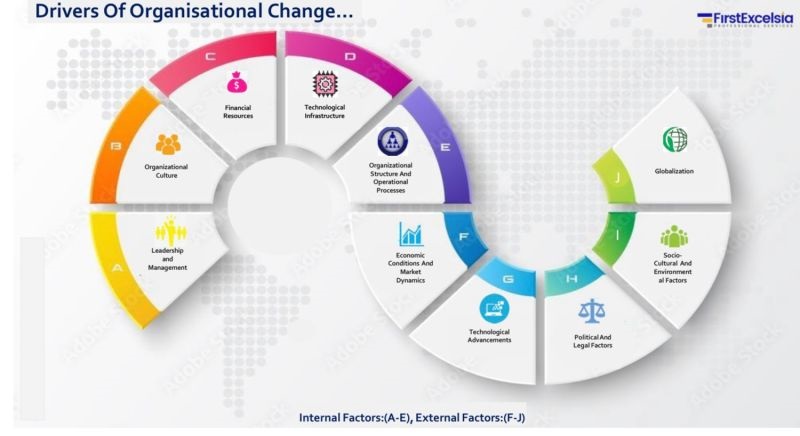
What drives organisational change success the most—external or internal factors?
Two main schools of thought emerged:
🔹 External Factors Camp: This group believes that government policies, socio-economic conditions, and external stakeholders are the primary drivers of change.
🔹 Internal Factors Camp: This group argues that leadership, culture, and employee engagement play the biggest role.
Personally, I believe it’s a blend of both, but with a stronger reliance on internal factors—especially “leadership will.” The courage and commitment of leaders to champion and sustain change is, in my view, the most critical determinant of success.
💡 What do you think? Is successful organisational change more dependent on external factors or internal ones? I’d love to hear your perspective!
hashtag#OrganisationalChange hashtag#LeadershipDevelopment hashtag#ChangeManagement hashtag#StrategySession hashtag#Nigeria hashtag#LeadershipWill